Tibetan Jewelry: The Meaning, Craft, and Culture Behind Every Piece
Most jewelry is chosen for how it looks. Tibetan jewelry is usually chosen for what it holds: a color that means something, a mantra pressed into silver, a stone that has passed through many hands before reaching yours. That's why a single strand of coral and turquoise can feel more like a small piece of a culture than an accessory.
This guide is a wider look at that world. We'll cover the colors, stones, and symbols, then how to wear these pieces today, how to spot the real thing, and how to look after it.
What you'll find in this guide:
- Understanding Tibetan Jewelry: Cultural Legacy and Spiritual Symbolism
- Why blue, red, and gold appear so often in Tibetan pieces
- The Spiritual Energies of Tibetan Gemstones, Woods, and Metals
- Sacred Geometry of the Plateau: Dzi Beads, Gau Boxes, and Tactile Mantras
- Mastering the Art of Layering Tibetan Pieces with Everyday Wear
- Wearing It From the Yoga Mat to Monday Meeting
- Recognizing Authentic Craftsmanship and Ethical Sourcing
- Keeping Your Pieces Clean, Charged, and Well Cared For
- Conclusion:Wear the Story, Carry the Culture
- FAQs
Understanding Tibetan Jewelry: Cultural Legacy and Spiritual Symbolism
Tibetan jewelry is far more than mere personal adornment; it is a vibrant reflection of the culture, spirituality, and ancient traditions of the Himalayan people. Crafted by skilled artisans, these wearable pieces bring together sterling silver, raw turquoise, Mediterranean coral, and etched Dzi beads—each chosen for its energetic resonance and protective properties.
Unlike stationary altar ritual items, Tibetan jewelry is an intimate art form. Designed to rest directly against the skin, necklaces, pendants, and wristpieces function as subtle armor—grounding the wearer in daily mindfulness, wards off negative energies, and connecting personal style directly to centuries-old Himalayan traditions.
In Himalayan tradition, fine jewelry is frequently held as a cherished heirloom passed down through generations. As these pieces are worn during daily life and prayers, decades of gentle skin contact and ambient atmosphere create a warm, lustrous patina on the metal and stones. Far from mere surface wear, this aged finish is revered as a physical vessel of spiritual lineage—carrying the quiet blessings and grounded energy of those who wore it before.
Why Blue, Red, and Gold Dominate Tibetan Jewelry
Look at any traditional Tibetan necklace and you'll notice the palette is rarely accidental. Deep blue-green, warm red, and glowing gold-amber show up again and again. Each has long been tied to a way of seeing the world.
- Blue and Blue-Green (Turquoise): The colors of sky and pristine water. In Tibetan tradition, turquoise symbolizes spiritual growth and safe passage. Historically worn by nomads crossing the high plateau, the stone was as much a protective companion for the journey as a decorative embellishment.
- Red (Coral & Carnelian): The hue of life force, vitality, and heat. Deep red coral represents courage and enduring strength. In traditional households, coral heirlooms are passed from mother to daughter as both tangible wealth and a sacred blessing.
- Gold and Warm Yellow (Amber & Warm Metals): Associated with the earth, abundance, and timeless wisdom. Amber in particular mirrors the rich, golden light that settles over the Himalayan mountains at dusk.
- White and Green (Jade & Shell): Often incorporated to represent purity, peace, and spiritual renewal.
Mobile Wealth of the High Plateau: Beyond spiritual meaning, this rich color palette served a vital practical function for traditional nomadic communities. Moving constantly across vast distances, families converted their stored wealth into high-grade turquoise, coral, amber, and heavy silver to wear on their bodies. These wearable assets provided financial security during long travels while serving as a prominent symbol of tribal honor and family heritage.
Wear the Cosmos: The Five Sacred Elements
Beyond visual harmony, these classic hues correspond directly to the five sacred elements of Himalayan cosmology (earth, water, fire, air, and space). In traditional Tibetan fashion, where heavy wool and silk robes (chubas) are paired with vibrant heirloom stones, colors are treated as a living language of respect for the natural world. Blue echoes the sky and space, red carries the warmth of fire and life force, yellow grounds you in the earth, green honors water and breath, and white represents purity.
When combined, blue, red, and yellow create a powerful energetic balance—bringing together protection, vitality, and grounded wisdom in a single wearable narrative. When you pick out a piece, ask what you want it to remind you of, and let the color answer that daily need.
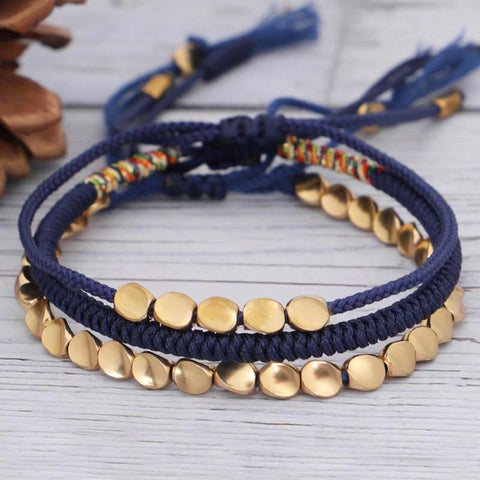
The Spiritual Energies of Tibetan Gemstones, Woods, and Metals
The natural materials used in Himalayan metalwork are carefully selected not only for their tactile beauty, but for how they work together spiritually.
Sterling Silver & Sacred Metals
Sterling silver forms the purifying base of Himalayan jewelry, representing clarity and peace. Artisans utilize intricate filigree and repoussé techniques to shape the metal into protective bezels for raw stones. Accents of copper and brass are frequently added to harmonize energy flow across the piece.
Vibrant Turquoise & Coral
When sky-blue turquoise meets deep red coral, it creates the iconic aesthetic contrast of Tibetan design. Beyond aesthetics, this pairing balances the upper and lower energy centers—turquoise offering mental clarity and throat-chakra expression, while coral reinforces emotional fortitude and physical vitality.
Dzi Beads & White Jade
Etched agate Dzi beads act as energetic shields with their striking "eye" markings. When combined with soothing white jade, the ensemble offers a grounding presence, encouraging calm reflection and mental balance throughout demanding days.
Sacred Woods (Agarwood & Bodhi)
Organic elements like agarwood engage the senses beyond sight. Warmed by your skin's natural heat, agarwood releases a subtle, earthy scent on your wrist, serving as a quiet tactile reminder to stay present amid daily distractions.
Sacred Geometry of the Plateau: Dzi Beads, Gau Boxes, and Tactile Mantras
Unlike ritual instruments designed to resonate sound through space, the sacred symbols carved into Tibetan jewelry are crafted for intimate, personal touch. Jewelry translates ancient spirituality into wearable talismans—objects meant to rest against your skin and serve as a private aura shield throughout your day.
One of the most unique elements in Tibetan jewelry design is the Gau Box (Prayer Box Pendant). These intricately filigreed silver pendants open to hold small rolled mantras, sacred herbs, or protective relics close to the heart, creating a deeply personal vessel of faith. Similarly, Dzi beads—prized agate stones etched with sacred geometric "eyes"—are exclusively worn on the body as protective shields to absorb negative ambient energy:
- Three-Eyed Dzi Beads: Symbolize the convergence of wealth, health, and spiritual wisdom.
- Nine-Eyed Dzi Beads: Represent the ultimate protection, believed to clear obstacles and attract boundless blessing.
- Spinning Mantra Rings & Charms: Mechanically designed with rotating outer bands inscribed with Om Mani Padme Hum, allowing the wearer to physically spin the sacred text with a thumb movement—acting as a tactile, stress-relieving anchor during anxious moments.
Through this tactile engagement, the mantras and symbols on jewelry act not as passive decorations, but as responsive physical touchstones for your daily mindfulness.
Mastering the Art of Layering Tibetan Pieces with Everyday Wear
You don't need a boho wardrobe to wear Tibetan jewelry seamlessly. The secret lies in creating a refined contrast between rich, handcrafted textures and clean, modern silhouettes.
- Minimalist Casual (White Tee & Denim): Pair a single turquoise pendant on a silver chain to let the vibrant turquoise pop against neutral fabrics.
- Professional Chic (Blazer & Trousers): Wear a delicate silver cuff or an agarwood bead wristpiece as a subtle conversation starter that keeps your look understated.
- Layered Bohemian (Flowy Dress or Knitwear): Combine multi-strand gemstone beads with textured silver pendants, mixing matte wood and polished stones to build depth.
- Heritage Fusion (Structured Knits, Silk & Brocade): Draw fashion inspiration from traditional Tibetan attire like the chuba (loose robe) and gyenchen by styling bold silver amulets or heavy multi-strand gemstone beads over high-textured fabrics. Pair chunky turquoise and repoussé silver against raw silk blouses, structured brocade jackets, or heavy wool knitwear. The rich interplay between unpolished organic minerals and opulent textiles gives your outfit an elevated, runway-ready depth while honoring centuries of Himalayan garment craft.
Styling Tip: Balance matte materials (wood, unpolished turquoise) with refined metals (shiny or oxidized silver). This balance prevents bold artisan pieces from feeling like a costume.
Wearing It From the Yoga Mat to Monday Meeting
The same piece can do different jobs across a single day.
- In the morning, many people use jewelry as a small ritual. Putting on a bracelet before you leave can become a moment of intention, a pause before the phone takes over. Some wearers say a few breaths while sliding it on, which turns dressing into a tiny practice.
- During yoga or meditation, a bracelet or mala works as a mindfulness anchor. When your attention drifts, the weight of the beads on your wrist gives you something concrete to come back to. If the piece is fragile, take it off during vigorous practice so it doesn't knock against the floor or your mat.
- At work, understated Tibetan pieces slip into professional settings easily. A single silver band or a discreet beaded bracelet under a cuff suggests taste and calm without demanding attention. If you're in a meeting where your nerves are running high, a quiet touch of the bead nearest your thumb is discreet and steadying.
- In the evening, switch the mood. Layer in a larger necklace and let the piece carry the outfit at dinner or a gathering. The same jewelry that sat quietly in the office becomes the focal point at night.
What ties these together is intention. Tibetan jewelry works best when you treat it as part of the day rather than a costume put on for special occasions.
Recognizing Authentic Craftsmanship and Ethical Sourcing
As Tibetan-inspired jewelry grows globally, synthetic imitations have flooded the market. Knowing what to look for ensures your investment supports genuine artisans and fair practices.
- Natural Gemstone Characteristics: Authentic turquoise, coral, and jade possess natural color variations, fine matrix lines, and subtle surface irregularities. Synthetic plastic or dyed minerals (like howlite) feel unnaturally uniform, light, or warm. Watch out for dye pooling around bead drill holes—a clear sign of color enhancement.
- Distinguishing Natural Aging & Patina: Genuine aged or vintage pieces display smooth, organic wear around bead drill holes and edges from years of gentle friction, along with subtle color matrix darkening (such as turquoise naturally shifting toward a deeper green over time as it absorbs natural oils). Beware of artificially aged duplicates, which often have chemically stained, sticky-feeling surfaces, harsh artificial spots, or sharp, unworn drill holes.
- Artisanal Hand-Carving Marks: Authentic Himalayan silversmithing exhibits tiny variations in tool depth, slight asymmetry, and hand-hammered textures. Machine-stamped duplicates, by contrast, appear flawless, perfectly flat, and identical across every piece.
- Durable Hand-Stringing & Knots: True artisan beadwork includes secure knots tied individually between beads and sturdy clasps. Loose thread gaps or flimsy metal fittings usually signal rushed factory assembly.
- Ethical & Material Transparency: Responsible makers disclose material origins and metal purities (such as indicating whether a piece uses 925 sterling silver or traditional white-copper alloys).
Keeping Your Pieces Clean, Charged, and Well Cared For
Tibetan jewelry is durable, but many of its materials are softer than they look. Turquoise, coral, amber, and agarwood can all be damaged by rough handling and harsh conditions, so a few habits go a long way.
Everyday Care
Put your jewelry on after perfume, lotion, and hairspray, and take it off before cleaning, swimming, or heavy exercise. Avoid soaking porous stones and wood in water, and never use harsh chemical cleaners or ultrasonic cleaners on them. Wipe pieces with a soft, dry cloth after wearing, and store them separately in a soft pouch so harder stones don't scratch softer ones. Keep silver away from long exposure to humidity, and polish gently with a silver cloth when it dulls.
Cleansing Rituals
Many wearers like to refresh a piece regularly, especially after a stressful stretch or when they first bring it home. Common approaches include passing it through the smoke of sage or another incense for a few moments, or letting it rest in gentle moonlight overnight. Sound is another favorite. A few rings of a singing bowl or tingsha near the piece is a way of "resetting" it that doesn't touch the materials at all.
These rituals are personal traditions rather than scientific procedures, so use them in whatever way feels meaningful to you. What matters is that you pause, pay attention to the piece, and set an intention for how you'll wear it.
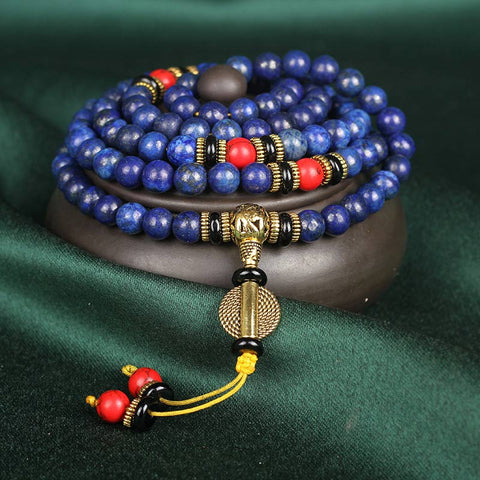
Conclusion:Wear the Story, Carry the Culture
Tibetan jewelry rewards closer attention. The colors carry ancestral meanings, the gems hold earth history, the symbols radiate protective intent, and the silversmithing carries centuries of human skill. Once you understand these details, a piece stops being just an embellishment and becomes a personal companion.
For centuries on the Roof of the World, jewelry has never existed in isolation—it was thoughtfully crafted to move with the heavy textiles of the chuba, hold sacred relics close during long travels, and honor the snow-capped mountains and river valleys. Modern Tibetan fashion bridges this timeless elegance with contemporary life, proving that authentic craft only grows richer when carried into new contexts.
Whether you're drawn to a single sky-blue turquoise stone or an intricate silver prayer pendant, choose what resonates with your journey. Wear it intentionally, care for it gently, and let it remind you of the rich culture woven into every detail. At Buddha Stones, we are honored to keep these ancestral crafts alive—and we hope your next piece becomes a treasured chapter in your own story.
FAQs
Can non-Buddhists respectfully wear Tibetan jewelry with sacred mantras?
Yes, absolutely. Tibetan spiritual artisans create these pieces with the intention of sharing blessings, peace, and protection with all living beings. Wearing them with respect, positive intent, and an appreciation for their cultural origins is universally welcomed.
What is "Tibetan silver," and is it real silver?
"Tibetan silver" often refers to a look rather than a purity. It can be a silver-toned alloy such as copper-nickel or white metal, and sometimes contains real silver. Ask the seller for the metal composition, and look for a stated silver percentage if that matters to you.
Which wrist should I wear my Tibetan gemstone or wooden bracelet on?
In traditional energy practices, the left wrist is considered the "receiving" side, making it ideal for absorbing calming, protective, or healing energies. The right wrist is the "giving" or active side, suitable when you want to project strength, confidence, and positive energy outward.
Is it safe to sleep or shower while wearing Tibetan jewelry?
It is best to remove your jewelry before showering, swimming, or sleeping. Water, soaps, and body oils can damage porous stones like turquoise and coral, cause natural woods to warp or crack, and weaken stringed cords over time.